
Sea Food Metal Detector
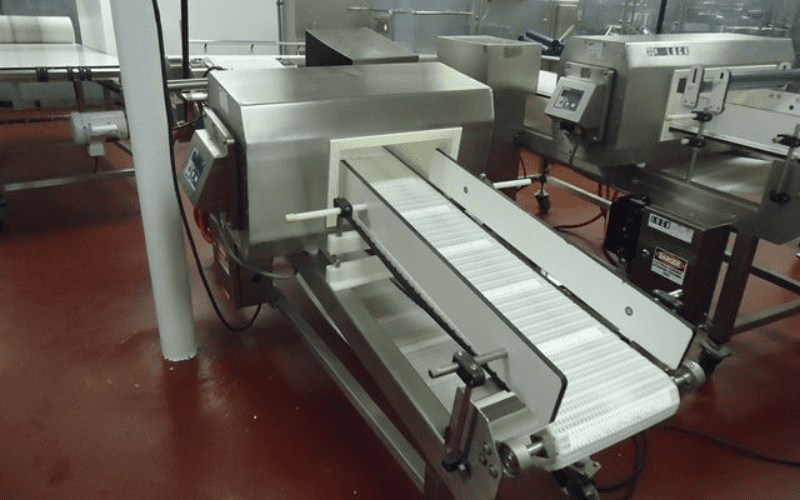
A sea food metal detector is an advanced quality inspection system designed specifically for the seafood processing industry to detect and reject metal contaminants in products before they reach packaging or the consumer. With strict food safety standards and growing customer expectations, seafood manufacturers are increasingly relying on metal detection technology to ensure product purity, regulatory compliance, and brand reputation.
In seafood processing—whether dealing with fillets, shrimps, frozen products, or ready-to-eat formats—metal contamination poses serious risks not only to consumer safety but also to processing equipment. A well-designed seafood metal detector ensures that even the smallest ferrous, non-ferrous, or stainless steel contaminants are identified and removed in real time.
Why Seafood Requires Specialized Metal Detection
Seafood products often undergo multiple handling stages—sorting, cutting, washing, packaging—which can introduce metal contamination from:
- Broken blades and equipment wear
- Foreign particles in raw ingredients
- Abrasion from processing machinery
- Transportation and storage environments
Unlike dry foods, seafood presents additional challenges:
- High moisture content
- Variable product density
- Mixed product shapes and sizes
These characteristics make sea food metal detectors with specialized calibration essential for reliable inspection.
How a Seafood Metal Detector Works
Sea food metal detectors are typically integrated into the processing line. The food passes through the detector’s aperture where an electromagnetic field continuously scans for metal contaminants.
When a metal particle disrupts the field, the system triggers:
- An alarm system
- A product rejection mechanism (such as an air blast ejector or reject gate)
- Logging for traceability and quality records
Modern systems offer:
- Adjustable sensitivity settings
- Digital signal processing
- Separate detection thresholds for different types of metals
- Data logging and reporting for compliance
Key Benefits of Seafood Metal Detectors
1.Enhanced Consumer Safety :
Metal contaminants in seafood can cause injury or illness. Quick detection and removal protect consumers and align with food safety best practices.
2.Compliance with Global Standards :
Seafood processors must meet stringent food safety standards such as HACCP, BRC, FDA, FSMA, and others depending on the export market. Metal detection forms a core component of food safety plans.
3.Protection of Processing Equipment:
Undetected metal fragments can damage expensive equipment such as slicers, grinders, and packaging machines. Metal detectors help reduce unscheduled downtime and maintenance costs.
4.Stronger Brand Trust:
Consistent product quality and safety help build trust among consumers, retailers, and institutional buyers. Seafood processors that implement robust inspection systems reduce the risk of recalls and reputation damage.
Applications in Seafood Processing
Sea food metal detectors are used in:
- Fresh fish fillet production lines
- Frozen seafood handling and packaging
- Processed shrimp, scallops, and shellfish
- Ready-to-eat seafood trays
- Canned and vacuum-packed products
- Bulk handling lines for industrial buyers
Each application requires specific calibration and sensitivity settings based on product characteristics.
Choosing the Right Metal Detection System for Seafood
1.Product Moisture Content
Moisture can affect signal strength. Detectors suited for low-signal applications are preferable.
2.roduct Size and Shape
Irregular shapes and sizes require robust detection algorithms and larger apertures if needed.
3.Line Speed
Detection systems must perform consistently at high throughput without false rejects.
4.Sensitivity Levels
Seafood metal detectors should detect small metal fragments while minimizing false alarms.
5.Data Logging & Reporting
For compliance and audits, detailed logs with reject counts and detection history are essential.
Role of a Trusted Solutions Partner
Deploying a seafood metal detector is not just about buying hardware. It involves correct selection based on product type, integration into existing processing lines, configuration of rejection mechanisms, operator training, and ongoing technical support.
SMMS, with its expertise in inspection solutions, helps seafood processors implement metal detection systems that match their product profiles and quality objectives. The team supports industry-specific calibration, installation, testing, and post-deployment services.
Case Example: Seafood Processing Line
In a typical high-throughput seafood plant:
- Pre-Clean Stage: Bulk catch is initially sorted and cleaned.
- Processing Stage: Filleting and trimming operations occur.
- Metal Detection Stage: Products pass through the sea food metal detector before final processing.
- Rejection & Logging: Any contaminated products are rejected automatically.
- Packaging & Shipping: Only inspected, safe products are dispatched.
This workflow protects both consumers and processing equipment while ensuring compliance with quality systems.
Conclusion
A sea food metal detector is indispensable for modern seafood processing operations that prioritize safety, compliance, and efficiency. With tailored solutions and expert implementation, processors can detect minute contaminants even under challenging product conditions.
Leveraging advanced metal detection technology from trusted partners such as SMMS allows seafood facilities to maintain the highest standards of quality, strengthen brand reputation, and reduce lifecycle costs associated with contamination and equipment damage.